
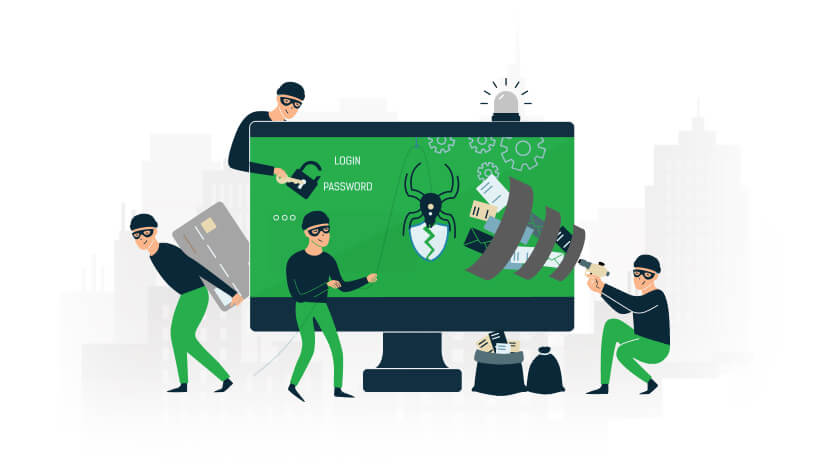
What is cyber insurance?
Cyber insurance, also referred to as cyber liability insurance, covers a broad range of risks including data loss, breaches and software attacks. Cyber insurance can also cover tech-related threats and loss of data which results in lost, stolen or tampered-with information. Cyber polices continue to grow in popularity amongst small business owners who conduct business online and face increasing virtual threats and risks.
What does cyber cover?
Data Breach
System Hacks
Ransomware
Who needs cyber insurance?
Many business owners think that cyber insurance is solely meant for large organizations. If your business transacts online and deals with large amounts of data or confidential information, a cyber liability policy is a crucial way to provide protection and security from the growing number of cyber threats
See if you're covered
Small Business Owner
Managing your own business means you have enough on your plate.

E-Commerce Merchant
Selling online is hard enough without having to think about what else can go wrong.

Startup
Don't let unnecessary business risks make your founder journey bumpier than it needs to be.

Freelancer
Freelancing is all about keeping things simple and focusing on what you do best.
Why is a cyber policy important?
Regardless of industry or size, a cyber liability policy can protect your business from common digital risks associated with conducting business online and storing confidential information. Recently, various businesses and potential clients have begun to require proof of cyber liability insurance. A cyber liability policy can help cover digital risks that your business may not have anticipated.
See if you‘re coveredWhat other kinds of business insurance do I need?

Bodily Injury
Someone other than you (or an employee) is injured and your business is responsible for medical, legal and damages.

Third-Party Property Damage
Customer property is damaged by you (or an employee).

Advertising and Reputational Injury
Your business is accused of copyright infringement, malicious prosecution, slander, libel, wrongful eviction and violating a person's privacy.

Product Liability
Products developed or sold by your business harm people or property, and your business is responsible for legal and medical expenses.
Cyber insurance FAQs
- Are there any requirements for cyber liability insurance?
- Insurance requirements vary by state and industry. However, your business can be exposed to a high level of cyber risk if you are not properly protected. You may also lose potential clients and customers if you are asked to show proof of insurance and are not able to provide evidence of coverage. In short, although it might not be legally required, a cyber liability policy is crucial to protect your business from everyday virtual threats
- Does cyber liability cover cyber ransom and attacks?
- This depends on your insurance carrier. But in most cases the insurance company will cover the cost of the ransom rather than dispute the cyber attack